A Moroccan Cultural Tour offers travelers the opportunity to explore one of the most fascinating and diverse cultures in North Africa. Morocco is a country where ancient traditions meet vibrant modern life, where historic imperial cities, colorful markets, desert landscapes, and welcoming communities create a truly unique travel experience. For visitors who want to understand the heart and soul of Morocco, a cultural tour provides the perfect way to discover the country’s history, architecture, cuisine, and local traditions.
Discover Morocco’s Historic Imperial Cities
One of the highlights of any Moroccan cultural journey is visiting the famous imperial cities. These historic cities—Marrakech, Fes, Rabat, and Meknes—have served as political and cultural capitals throughout Morocco’s history.
In Marrakech, travelers can explore the lively Jemaa el-Fna Square, where musicians, storytellers, and food vendors create an unforgettable atmosphere. The city is also home to impressive landmarks such as Bahia Palace, the Koutoubia Mosque, and the beautiful Majorelle Garden.
The ancient city of Fes is considered the cultural and spiritual heart of Morocco. Its historic medina, Fes el-Bali, is a UNESCO World Heritage Site and one of the largest medieval cities in the world. Visitors can wander through narrow streets filled with traditional artisan workshops, spice markets, and centuries-old mosques.
In Rabat, Morocco’s modern capital, travelers can visit historic sites such as the Hassan Tower, the Mausoleum of Mohammed V, and the charming Kasbah of the Udayas, which overlooks the Atlantic Ocean.
Meanwhile, Meknes offers a glimpse into Morocco’s royal past with impressive gates such as Bab Mansour and nearby archaeological treasures like the Roman ruins of Volubilis.
Experience Traditional Moroccan Architecture
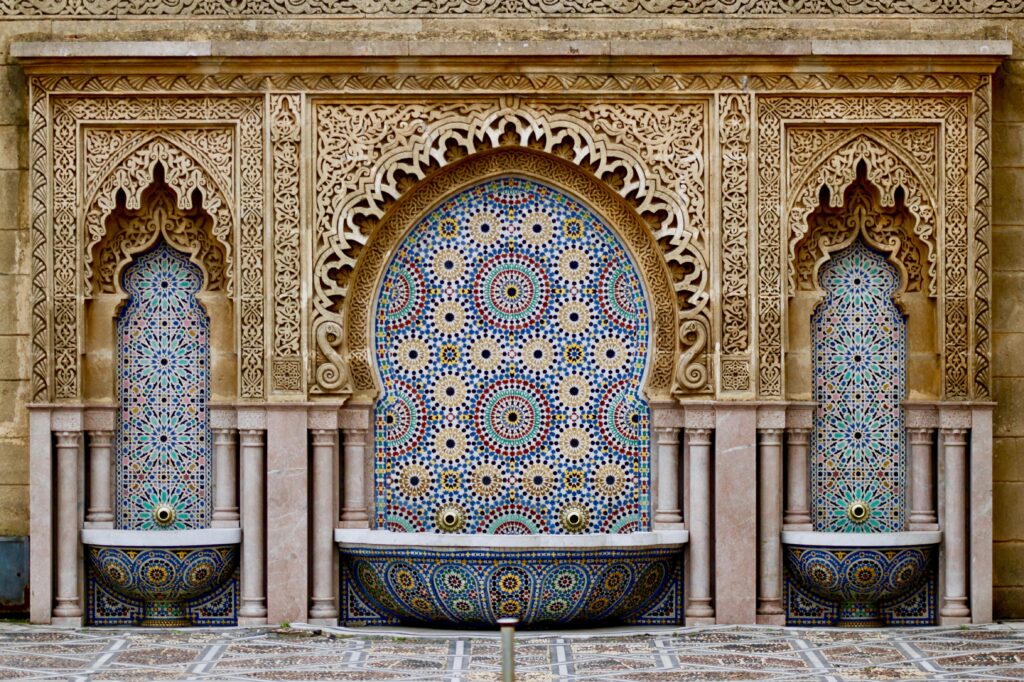
Morocco is famous for its stunning architecture, which reflects centuries of Arab, Berber, and Andalusian influences. Cultural tours often include visits to historic riads, kasbahs, and palaces, where visitors can admire intricate tilework known as zellige, carved cedar wood, and decorative plaster designs.
One of the most famous examples of traditional architecture is the ancient Ait Ben Haddou Kasbah, a UNESCO World Heritage Site located near Ouarzazate. This fortified village built from clay and mud-brick has stood for centuries and has served as a filming location for many international movies.
Throughout Morocco, travelers will discover beautiful mosques, traditional houses, and ancient city walls that reflect the country’s rich architectural heritage.
Explore Colorful Souks and Artisan Workshops
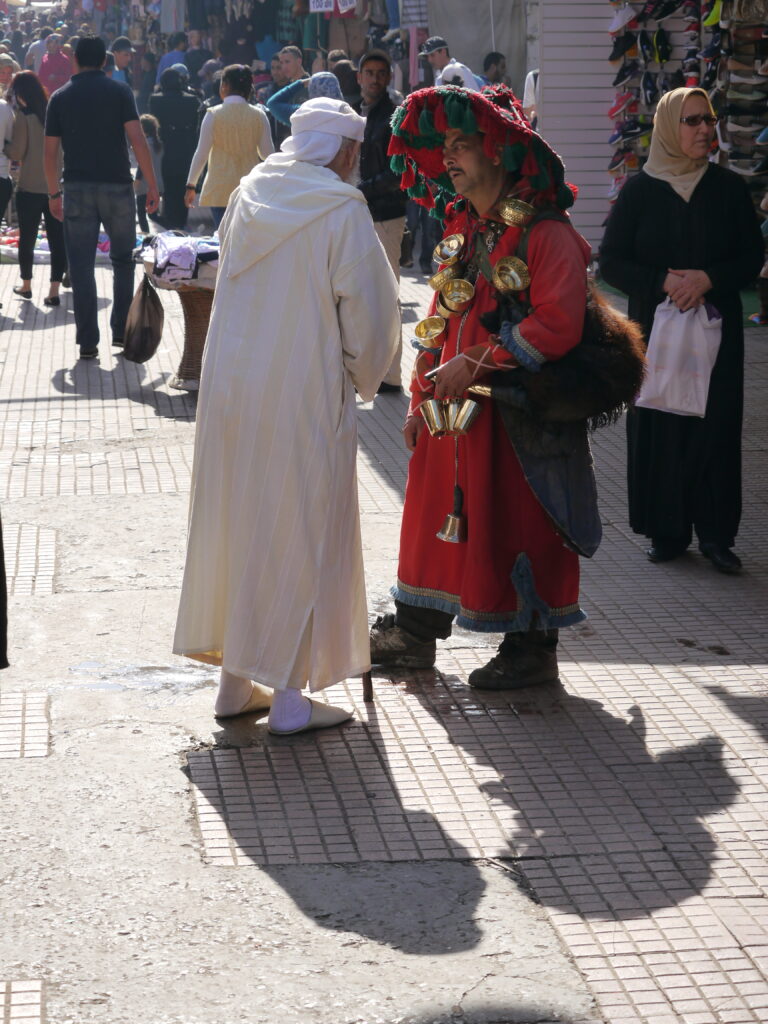
Moroccan culture is deeply connected to traditional craftsmanship. Walking through the lively souks (markets) of cities like Marrakech and Fes allows visitors to see artisans practicing crafts that have been passed down for generations.
In these markets, travelers can find handmade carpets, leather goods, pottery, jewelry, lanterns, and textiles. Many workshops welcome visitors to watch craftsmen create these items using traditional techniques.
The famous Chouara Tanneries in Fes provide a fascinating example of Morocco’s traditional leather industry, where hides are still dyed using natural methods that have remained unchanged for centuries.
Discover Berber Traditions in the Atlas Mountains
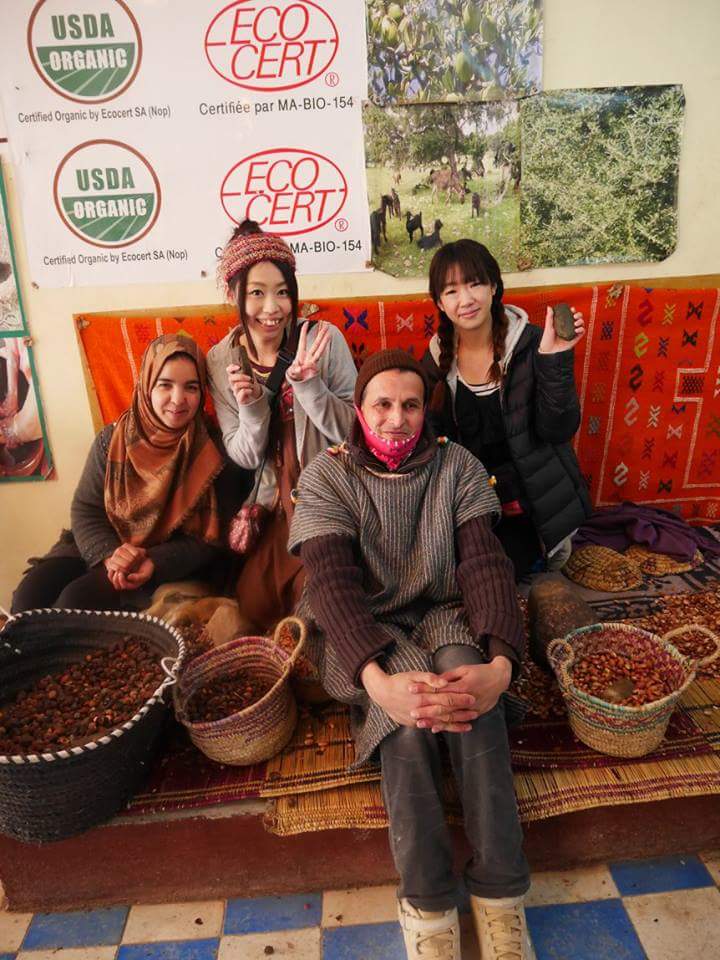
Beyond the cities, Morocco’s cultural richness can be experienced in the Atlas Mountains, where Berber communities have lived for centuries. The Berbers, also known as the Amazigh people, are Morocco’s indigenous population and have preserved many of their ancient traditions and customs.
Travelers visiting mountain villages can learn about Berber hospitality, traditional homes, and daily life in rural Morocco. Many tours include visits to local families, where guests are welcomed with mint tea, a symbol of Moroccan hospitality.
The mountain landscapes themselves are also breathtaking, with terraced valleys, traditional villages, and scenic trails that offer a glimpse into Morocco’s rural culture.
Experience the Magic of the Sahara Desert
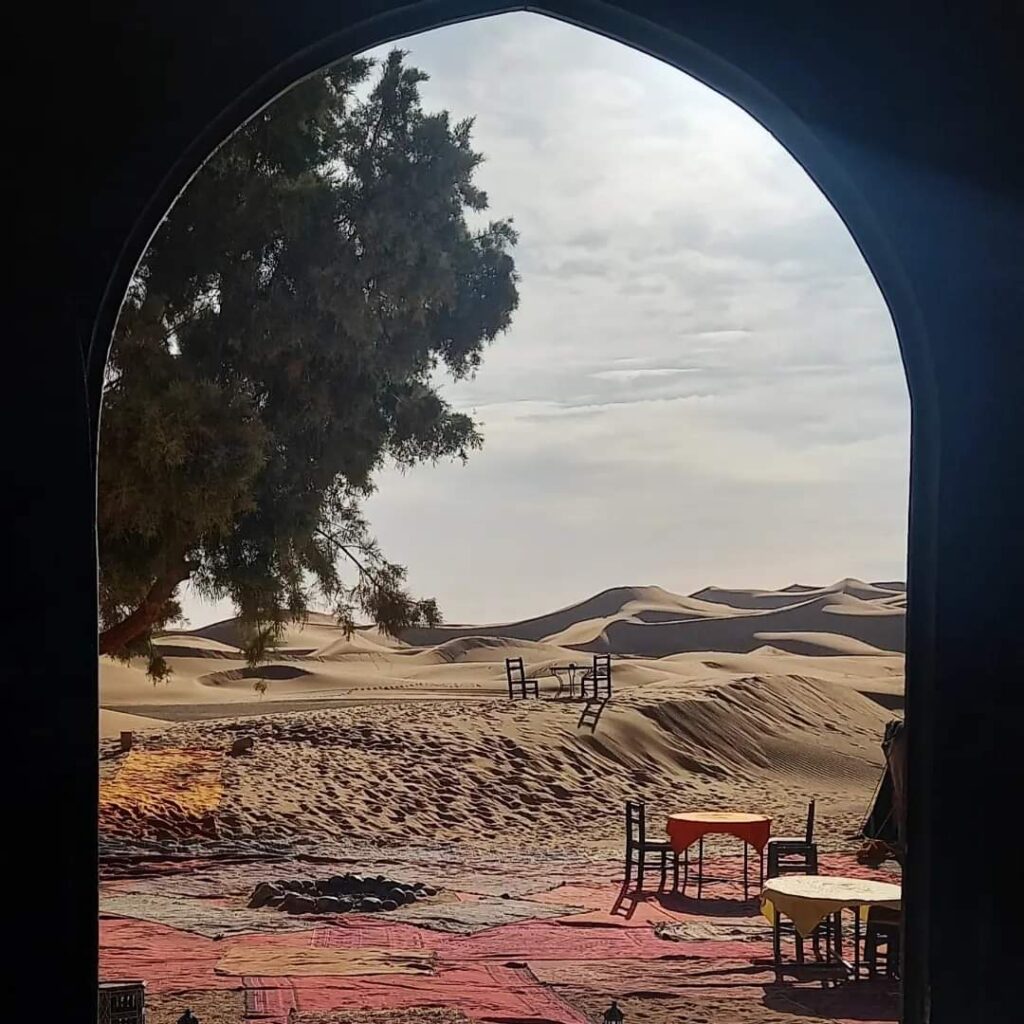
A cultural journey through Morocco would not be complete without visiting the Sahara Desert. The desert has played an important role in Moroccan history as a trade route connecting Africa with the Mediterranean world.
Travelers often enjoy a camel trek across the golden dunes of Merzouga, followed by an overnight stay in a traditional desert camp. Evenings in the desert are filled with Moroccan cuisine, Berber music, and the peaceful beauty of the Sahara under a sky full of stars.
These desert experiences allow visitors to learn about the nomadic traditions of the Sahara and the unique lifestyle of desert communities.
Enjoy Authentic Moroccan Cuisine
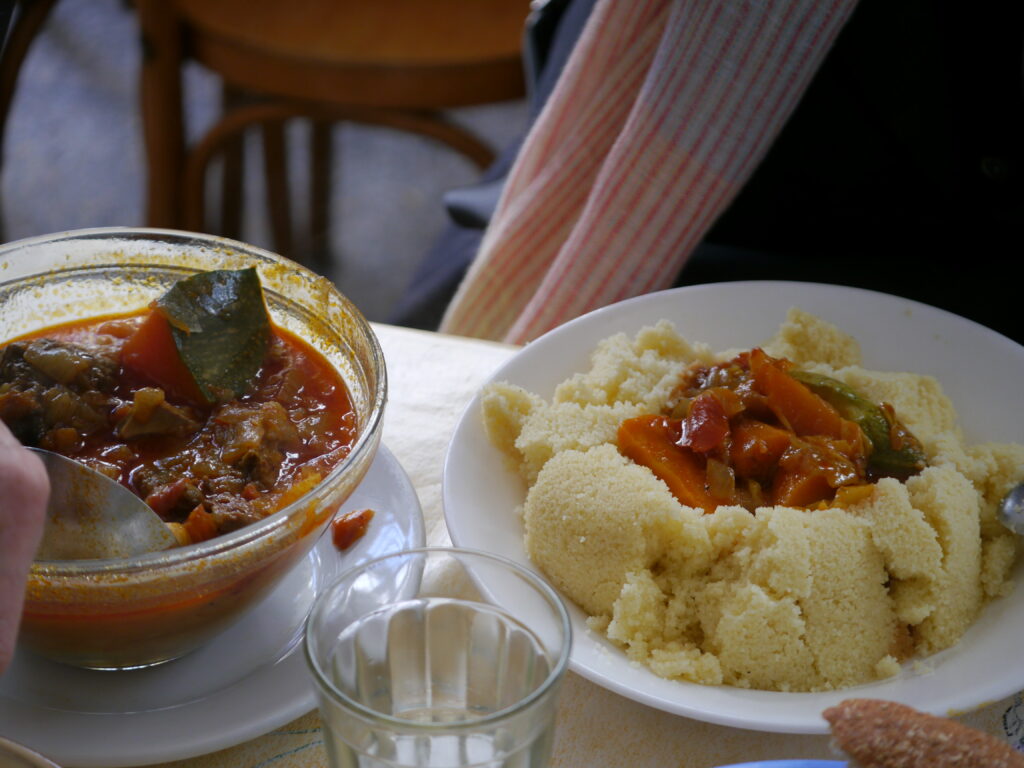
Food is an essential part of Moroccan culture. Traditional Moroccan dishes are known for their rich flavors, aromatic spices, and slow-cooking techniques.
Some of the most popular dishes include tajine, a slow-cooked stew prepared with meat, vegetables, and spices; couscous, often served on Fridays as a traditional family meal; and pastilla, a unique pastry that combines sweet and savory flavors.
Many cultural tours offer cooking classes where visitors can learn how to prepare these dishes using traditional Moroccan ingredients and methods.
Festivals, Music, and Local Traditions
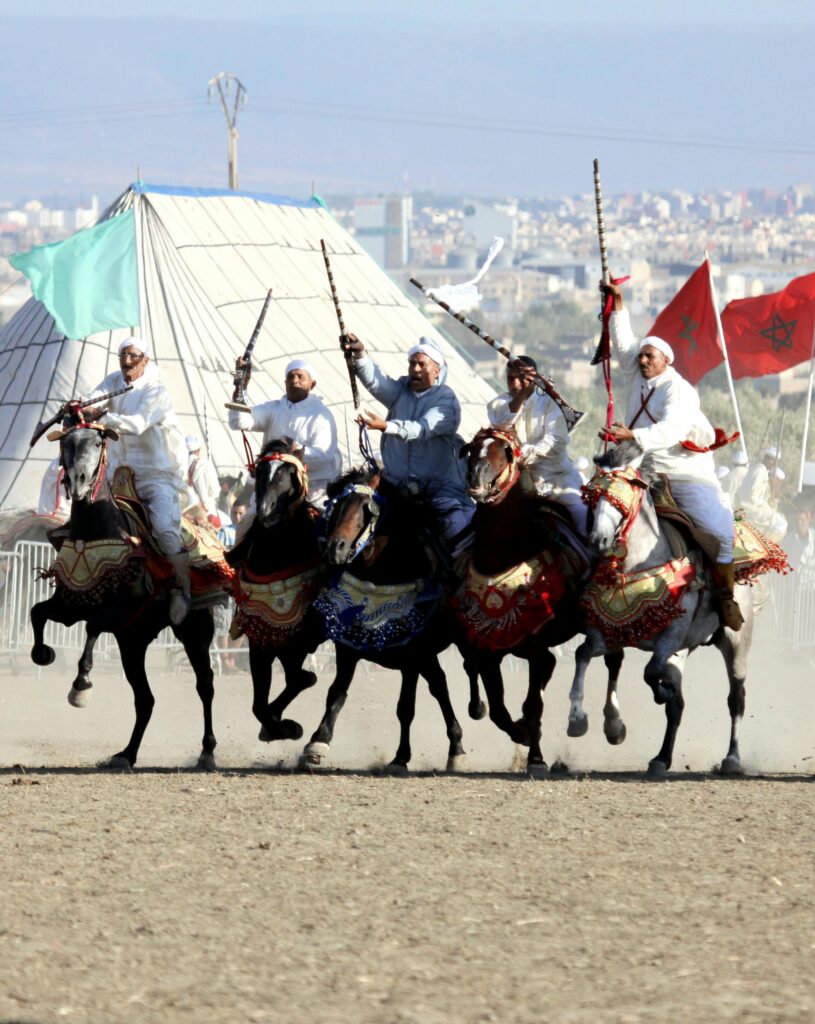
Morocco’s cultural identity is also expressed through music, festivals, and celebrations. Throughout the year, the country hosts many cultural events that showcase traditional music, dance, and art.
The Gnawa music tradition, for example, has deep roots in Moroccan history and is performed using rhythmic instruments and spiritual chants. In cities like Essaouira, visitors can experience live performances that celebrate this unique musical heritage.
Local festivals also highlight Morocco’s rich traditions, bringing together communities to celebrate food, music, crafts, and culture.
A Journey Through Morocco’s Cultural Diversity
A Moroccan Cultural Tour offers travelers a deeper understanding of the country’s unique blend of influences, including Berber, Arab, African, and Andalusian heritage. Each region of Morocco reveals different traditions, landscapes, and ways of life.
From the bustling medinas of the imperial cities to the quiet mountain villages and vast desert landscapes, Morocco offers an incredible cultural journey filled with unforgettable experiences.
For travelers seeking authenticity, history, and meaningful encounters with local traditions, a cultural tour of Morocco provides a truly enriching adventure that reveals the timeless beauty and diversity of this extraordinary country.