Moroccan Cooking Class in Morocco: A Complete Travel Guide to Authentic Flavors and Cultural Experiences
A Moroccan cooking class is much more than a simple culinary activity. It is a cultural journey into the heart of Moroccan life, where food, hospitality, tradition, and storytelling come together in one unforgettable experience. For travelers exploring Morocco, joining a cooking class is one of the most rewarding ways to connect with the country beyond its monuments, landscapes, and famous cities. It offers a chance to understand daily life through taste, aroma, technique, and shared moments around the table.
Morocco is known worldwide for its rich and varied cuisine. Influenced by Berber, Arab, Andalusian, African, and Mediterranean traditions, Moroccan food reflects the country’s history, geography, and cultural diversity. Every region has its specialties, and every family has its own way of preparing classic dishes. From the vibrant souks of Marrakech to the ancient medina of Fes, from mountain villages to coastal towns, cooking remains one of the most important expressions of Moroccan identity. That is why taking part in a Moroccan cooking class is such an enriching travel experience.
One of the most beautiful aspects of a Moroccan cooking class is the opportunity to discover the ingredients that define the cuisine. Fresh vegetables, aromatic herbs, olive oil, preserved lemons, olives, chickpeas, almonds, dates, honey, saffron, cumin, ginger, cinnamon, paprika, and ras el hanout all play a central role in Moroccan dishes. Many classes begin with a visit to a local market, where travelers can see colorful displays of produce and spices while learning how ingredients are selected and combined. This market experience is often a highlight in itself, as it introduces visitors to the rhythm and atmosphere of everyday Moroccan life.
Cooking in Morocco is deeply linked to hospitality. Food is not only nourishment; it is a way of welcoming others, celebrating family, and sharing culture. In many cooking classes, travelers are received in a traditional riad, local home, farm, or guesthouse, where the setting adds to the authenticity of the experience. The warm welcome, often accompanied by mint tea and pastries, immediately creates a sense of comfort and connection. This personal atmosphere is part of what makes Moroccan cooking classes so memorable. You are not just learning recipes; you are being invited into a tradition.
The dishes prepared during a Moroccan cooking class often include some of the country’s most beloved specialties. Tagine is usually one of the stars of the experience. Slow-cooked in the famous cone-shaped earthenware pot, tagine can be made with chicken and preserved lemon, lamb with prunes, kefta with eggs, seasonal vegetables, or many other combinations. The beauty of tagine lies in its balance of flavors and its gentle cooking method, which allows spices and ingredients to blend slowly and naturally. Learning how to build these layers of flavor is one of the great pleasures of the class.
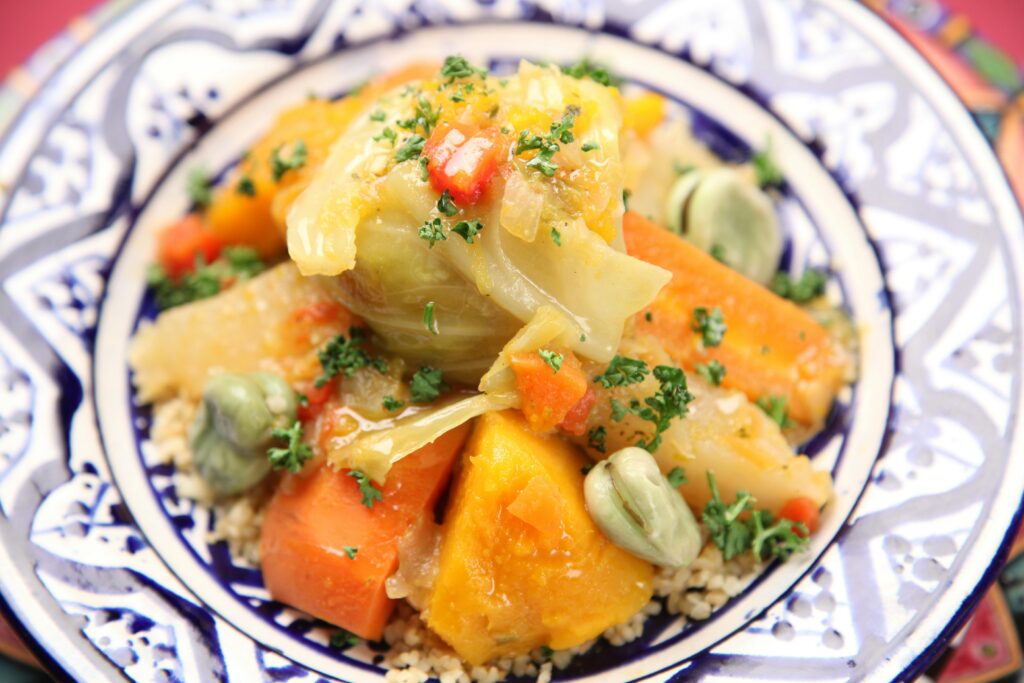
Couscous is another iconic dish that travelers may discover. Considered one of Morocco’s most traditional meals, couscous is often served on Fridays and during family gatherings. Preparing it properly requires patience and technique, especially when steaming the grains to achieve the right texture. In a cooking class, travelers can learn not only how couscous is made but also why it holds such an important place in Moroccan culture. The vegetables, broth, and meat or legumes served with it vary by region and season, making each version unique.
Moroccan salads and side dishes also reveal the diversity of the cuisine. Zaalouk, made from eggplant and tomatoes, taktouka with roasted peppers and tomatoes, carrot salad with cumin, and lentil dishes are simple yet deeply flavorful. They show how everyday ingredients can be transformed with spices, olive oil, and careful preparation. Bread, too, is essential in Moroccan cooking. Traditional khobz is used daily to accompany meals, and in some classes travelers may learn how bread is shaped and baked in a traditional oven.
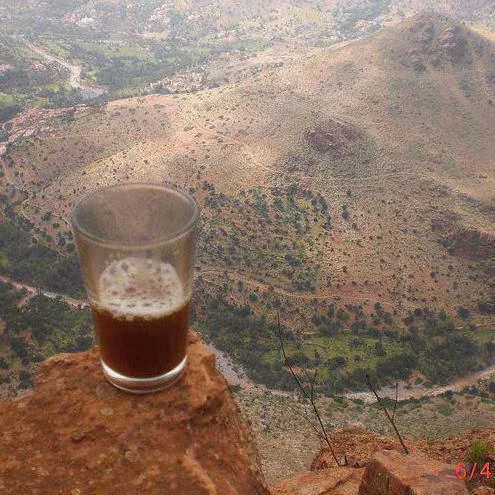
No Moroccan culinary experience would be complete without mint tea. Often called Moroccan whisky in a playful cultural sense, mint tea is more than a drink. It is a symbol of hospitality, relaxation, and social connection. In many cooking classes, the preparation of mint tea is treated as an art, with attention to balance, pouring technique, and presentation. Learning how to make and serve tea adds another meaningful layer to the experience and gives travelers a tradition they can easily recreate at home.
One of the reasons Moroccan cooking classes are so popular among travelers is that they combine cultural immersion with practical learning. Instead of simply tasting dishes in a restaurant, visitors take part in the full process: selecting ingredients, preparing spices, chopping vegetables, learning cooking techniques, and understanding the role of each element in the final dish. This hands-on approach creates a deeper appreciation for Moroccan cuisine and makes the experience much more personal. For many travelers, it becomes one of the most genuine highlights of their time in Morocco.
Cooking classes in Morocco are also suitable for many types of travelers. Couples often enjoy them as a romantic and creative shared experience. Families appreciate the interactive and welcoming atmosphere, especially when children can help with simple preparations. Solo travelers often find that cooking classes offer a warm social setting and an easy way to meet others while engaging with local culture. Food lovers, of course, are naturally drawn to the opportunity to learn authentic recipes directly from Moroccan hosts or chefs. Because the activity is both educational and enjoyable, it appeals to a wide range of visitors.
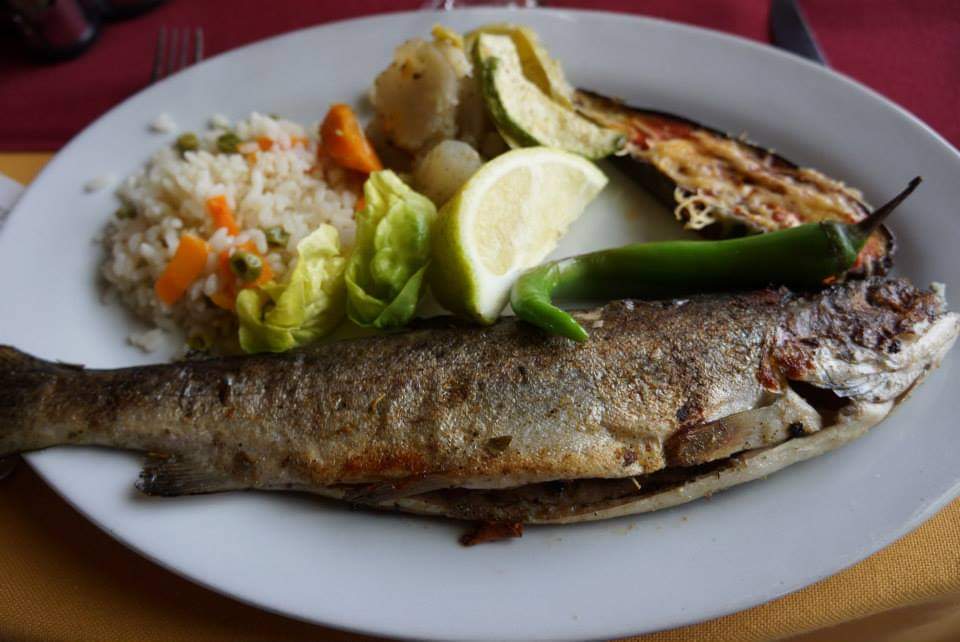
The setting of the cooking class also shapes the experience in unique ways. In Marrakech, classes often take place in elegant riads or traditional homes hidden within the medina, combining culinary learning with the charm of the city’s architecture and atmosphere. In Fes, known for its deep culinary heritage, cooking classes may emphasize traditional techniques and refined flavors passed down through generations. In the Atlas Mountains, travelers may join a cooking class in a Berber village, where the focus is often on rural traditions, fresh ingredients, and simple meals prepared with incredible care. Along the coast, seafood may play a larger role, especially in places such as Essaouira. Each destination offers a slightly different perspective on Moroccan food culture.
Another reason to include a Moroccan cooking class in a travel itinerary is that it offers a slower, more intimate kind of discovery. Morocco is full of movement, color, and energy, especially in cities like Marrakech and Fes. A cooking class provides a different rhythm. It allows travelers to pause, focus, and engage deeply with one aspect of the culture. This makes it a perfect balance to sightseeing, shopping, and long road journeys. After visiting monuments or exploring the medina, spending a few hours cooking and sharing a meal can feel both relaxing and meaningful.
For travelers interested in authentic experiences, a Moroccan cooking class stands out because it creates a true connection between visitor and host. The stories shared during the class, the explanations about ingredients, the family traditions behind certain recipes, and the final moment of sitting down together to enjoy the meal all contribute to a sense of genuine cultural exchange. These are often the moments travelers remember most clearly after returning home. They are simple, human, and full of warmth.
A cooking class is also one of the best souvenirs a traveler can take from Morocco. Unlike physical objects, recipes and techniques continue to live long after the journey ends. Recreating a tagine at home, preparing mint tea for friends, or using Moroccan spices in everyday cooking becomes a way to keep the travel memory alive. Each dish carries with it the scent, flavor, and emotion of the original experience in Morocco. In this way, the class becomes part of the traveler’s life even after the trip is over.
Moroccan cooking classes offer travelers a rich and memorable way to experience the country beyond its famous landmarks. They combine culture, food, and authentic local interaction in a way that feels personal and rewarding. Many visitors to Morocco are looking for meaningful activities that allow them to connect with local traditions, and a cooking class is one of the best ways to do that. Rather than simply tasting Moroccan dishes in a restaurant, travelers have the chance to prepare them, understand their ingredients, and discover the stories behind them.
For those planning a Morocco itinerary, a cooking class fits beautifully into both short and long trips. It can be enjoyed as a half-day cultural activity in Marrakech, a family-friendly experience in Fes, an addition to a countryside stay in the Atlas Mountains, or a memorable stop during a wider Morocco journey. Because it is flexible, immersive, and enjoyable in every season, it is one of the most rewarding cultural experiences to include in a trip. It suits first-time visitors as well as returning travelers who want to discover Morocco from a more personal and authentic perspective.
Ultimately, a Moroccan cooking class is cherished because it brings together many of the elements that make travel truly meaningful: discovery, learning, connection, flavor, and memory. It reveals the heart of Morocco through one of its most important traditions. Travelers leave not only with new recipes, but also with a deeper appreciation of Moroccan hospitality, identity, and everyday life. Whether you are passionate about food or simply curious about local culture, taking part in a cooking class in Morocco adds something special and lasting to the journey.
In a country celebrated for its landscapes, imperial cities, deserts, and mountains, food remains one of the strongest ways to connect with its soul. A Moroccan cooking class turns that connection into something tangible and unforgettable. It invites travelers to slow down, spend time with local people, discover traditional flavors, and take home a meaningful part of Morocco through its cuisine. That is what makes it one of the most enriching cultural experiences for visitors from around the world.